Faux Embroidery Canva Frame Letters: A Designer's Digital Toolkit
There's a distinct charm to embroidered text—the way threads interlock, the subtle dimensionality, the handmade feel that instantly communicates care and craftsmanship. But translating that tactile quality into digital projects has traditionally required specialized software or costly custom work. Enter Faux Embroidery Canva Frame Letters_31, a digital solution that bridges this gap with remarkable elegance.
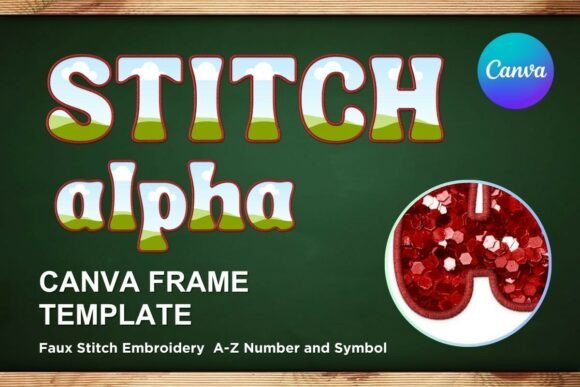
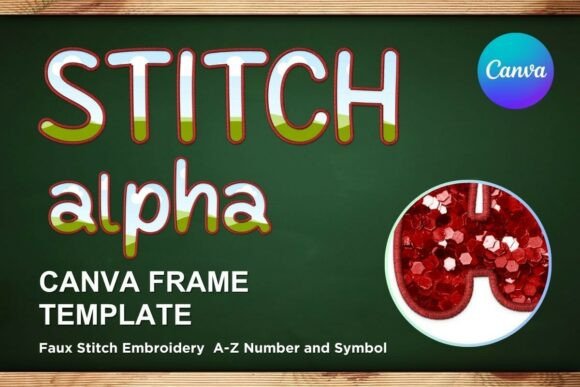
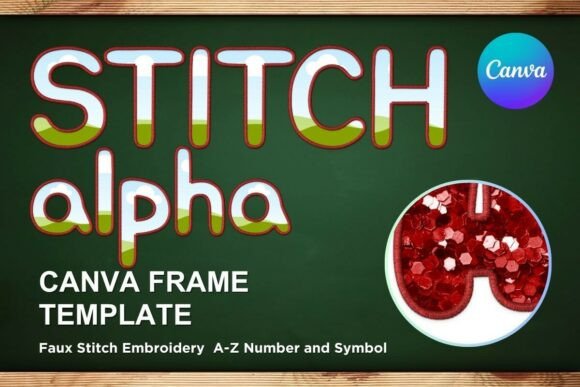
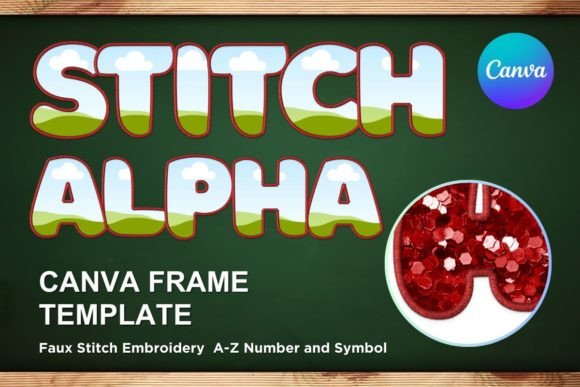
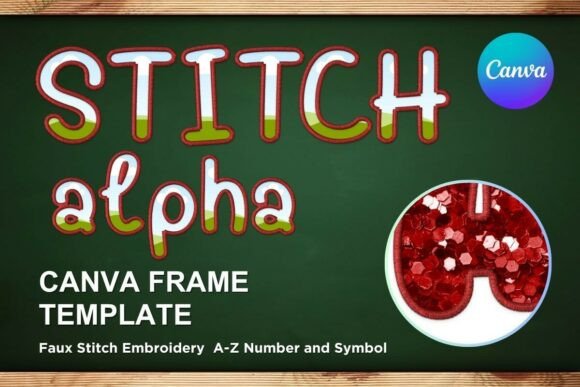
This isn't a traditional font file you install on your computer. It's an editable Canva frame template delivered as a PDF containing a direct link to your custom template. Once opened in Canva, you'll find a complete alphabet of letter frames, each meticulously designed to mimic the appearance of satin-stitch embroidery. The letters feature clean, continuous outlines with just enough texture to suggest woven thread without overwhelming the eye. The overall personality strikes a balance between rustic warmth and modern clarity—perfect for projects that need that handmade aesthetic without sacrificing legibility.
Where This Embroidery Style Truly Shines
The versatility of Faux Embroidery Canva Frame Letters_31 extends across numerous creative disciplines. For brand identity work, these frames offer small businesses—particularly those in lifestyle, craft, food, or boutique retail—a way to establish visual warmth. Think logo elements for a local bakery, header graphics for a handmade jewelry shop, or social media templates for a textile artist. The embroidered style immediately signals authenticity and artisanal quality.
In editorial design and publishing, these letter frames work beautifully for chapter headings, pull quotes, or featured article titles in magazines, blogs, or digital publications targeting craft and lifestyle audiences. The texture adds visual interest to layouts without competing with body text or photography.
For packaging design, especially in small-batch or specialty products, faux embroidery lettering elevates perceived value. Imagine these frames on candle labels, soap packaging, or gourmet food branding—they communicate premium quality and attention to detail.
Social media graphics benefit enormously from this style. In feeds saturated with clean sans-serif typography, the dimensional quality of embroidered letters stops the scroll. Use them for announcement graphics, sale promotions, quote cards, or seasonal content where personality matters more than minimalism.
Practical Considerations for Working With This Template
Since Faux Embroidery Canva Frame Letters_31 operates as a Canva frame template, your workflow differs from traditional font usage. Each letter exists as an individual frame within Canva, meaning you drag and drop images, colors, or patterns into the letter shapes to customize them. This approach offers tremendous creative flexibility—you could fill letters with floral photographs, brand colors, textured backgrounds, or even seasonal imagery.
The template arrives sized at 12×12 inches, but Canva's scaling tools let you resize letters up or down as needed. For web design headers or social media posts, smaller sizes maintain clarity. For print applications like posters or signage, scaling up works well thanks to the vector-based frame construction. The transparent layer design also makes these frames compatible with vinyl cutting and sublimation workflows, opening doors for physical product creation.
When evaluating whether this style fits your project, consider your audience. Faux embroidery resonates strongly with demographics that appreciate craft, handmade goods, and warmth—think home décor enthusiasts, DIY communities, artisanal food lovers, and lifestyle brands. It may feel out of place in ultra-corporate, tech-forward, or minimalist contexts where sans serif fonts and geometric precision dominate.
Pairing and Integration Strategies
Effective font pairing with embroidered lettering requires thoughtful contrast. Since these frames carry significant visual texture and personality, pair them with clean, understated typefaces for body text. A simple sans serif like a modern grotesque or a classic serif with generous x-height creates readable paragraphs that complement rather than compete with the decorative headlines.
Avoid pairing with other highly textured or ornamental fonts—script fonts, handwritten fonts, or heavily styled display fonts will create visual chaos. The embroidered frames should anchor your hierarchy as the primary display element, with supporting typography playing a supporting role.
For color, consider how actual embroidery thread behaves. Monochromatic palettes—think cream thread on linen, or tonal blues—feel authentic. High-contrast combinations work too, but stay mindful that overly saturated neons might undermine the handmade character the style conveys.
Evaluating Commercial Use and Project Fit
For entrepreneurs and small business owners considering this template, clarify your licensing needs before purchase. Since this is a digital design asset rather than a traditional commercial font, review the specific terms regarding client work, merchandise production, and distribution. Most template creators allow commercial use for end products but restrict redistribution of the template itself.
Test the template with your actual content before committing to a full project. Create sample compositions in Canva using your brand colors, photography, and typical messaging. Evaluate how the embroidered style reads at different sizes, how it photographs on screen, and whether it aligns with your existing visual language.
Remember that readability remains paramount. While the textured appearance adds character, ensure your audience can parse the text quickly—especially for functional elements like sale announcements, event details, or calls to action where comprehension speed matters.
Faux Embroidery Canva Frame Letters_31 represents a practical intersection of craft-inspired aesthetics and modern digital tools. For the right projects and audiences, it delivers that coveted handmade quality without the production complexity—exactly the kind of thoughtful design asset that helps creative professionals and business owners communicate with both warmth and professionalism.