Glow Ebook Template Canva: Your Guide to a Polished Digital Workbook
There’s a specific kind of frustration that hits when you have a brilliant idea for an ebook, a workbook, or a digital guide, but the thought of designing it from scratch feels like a mountain you don’t have the energy to climb. You open a blank Canva page, stare at the blinking cursor, and the momentum you had for your content just... evaporates. This is the exact gap the Glow Ebook Template Canva was built to fill. It’s not just a collection of pretty pages; it’s a structured, professional starting point that lets you bypass the design paralysis and get straight to sharing your knowledge.
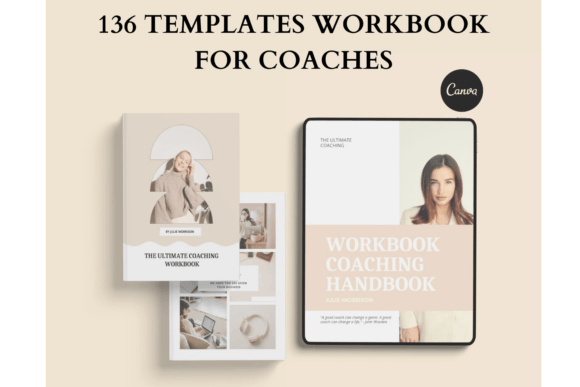
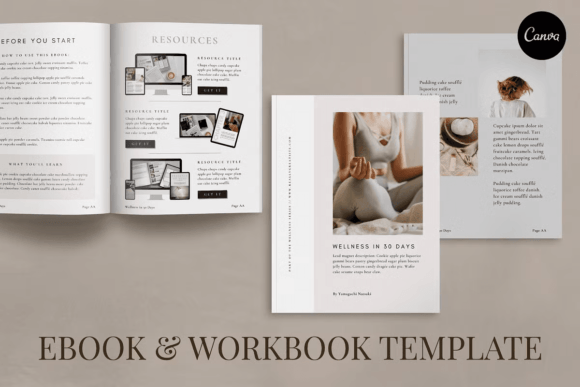
At its core, this is a fully customizable workbook template. But that phrase doesn’t quite capture its utility. Think of it as a pre-built container for your ideas, one that already has the visual hierarchy, the pacing, and the professional sheen figured out. The style leans into a clean, modern aesthetic—likely featuring a balanced mix of elegant serif fonts for headings and clear, readable sans serif fonts for body text, a classic and effective font pairing strategy. The overall personality is approachable yet authoritative, making it versatile enough for a corporate training manual, a creative coaching workbook, or a stylish brand guide. It’s a design asset that does the heavy lifting, so you can focus on what you do best: creating valuable content.
Where This Template Transforms Your Projects
The true value of a resource like the Glow Ebook Template Canva is measured by its flexibility across different projects and professions. For the entrepreneur launching a new online course, the 38-page structure is a godsend. You’re not guessing how to lay out a chapter introduction or where to place a testimonial for maximum impact. The included pages—a variety of content templates, dedicated quote pages, and even a gallery section—give you a ready-made roadmap. You can use the table of content pages to set expectations, the call to action pages to guide your reader toward the next step, and the resources pages to provide immense added value, all within a cohesive visual framework.
For marketers and brand strategists, this template becomes a tool for consistency. Imagine creating a series of branded workbooks for client onboarding or internal training. Using the same base template ensures every document reinforces your brand identity. You simply swap out the content and adjust the color palette in Canva to match your brand guidelines. The professionalism baked into the design elevates the perceived value of the material. For bloggers and content creators repurposing their work, it’s a way to package a blog series or a workshop into a tangible, downloadable asset that can serve as a powerful lead magnet or a sellable product. The US Letter size makes it ready for digital distribution or even simple print-on-demand services.
Making It Your Own: Practical Customization
The promise of being “fully customizable in Canva” is where the real work—and the real fun—begins. This isn’t a static PDF you’re stuck with. It’s a living template. The first step is always to infuse it with your brand’s visual language. This means diving in and changing the fonts. While the template comes with its own suggested typeface selections, you can and should explore Canva’s vast library. If your brand uses a distinctive display font for headlines, apply it to the chapter titles. If you prefer a different sans serif font for body copy to improve readability on screens, make that swap. The key is to maintain the visual hierarchy the template establishes: clear, bold headings that guide the eye, and clean, comfortable body text that invites reading.
Next, tackle the imagery and colors. The gallery pages are perfect for showcasing your work, products, or team photos. Replace the placeholder images with your own high-quality visuals. Adjust the color scheme globally using Canva’s “Styles” feature to ensure every page feels undeniably yours. Don’t be afraid to delete pages that don’t serve your specific project. Not every ebook needs a copyright page or multiple about and introduction pages. Conversely, you can duplicate content page templates if you have a particularly meaty chapter. The goal is to use the template as a flexible scaffold, not a rigid cage. Test how your customized version looks both on a desktop screen and on a mobile device, as many people will consume your ebook on their phones. Pay close attention to how your chosen fonts render at smaller sizes—readability is non-negotiable.
Beyond the Template: Strategic Considerations
Before you dive into editing, take a moment to consider the project’s goals. Is this ebook meant to establish your expertise? Then the about and introduction pages are critical—craft a compelling bio and a clear value proposition. Is it a practical workbook? Then the content page templates with space for notes and exercises are your most important assets. Map out your content flow against the template’s structure. See where a quote page could serve as a motivational chapter divider, or where a testimonial page could build social proof after you’ve presented your core methodology.
Also, think about the end-user experience. The template includes a back cover—don’t overlook it. This is prime real estate for a final call to action, your website URL, or social media handles. The overall design should facilitate a journey for the reader, from the intriguing cover to the satisfying conclusion. By starting with a robust and thoughtfully designed template like the Glow Ebook Template Canva, you’re not just saving time on layout. You’re adopting a proven structure for communication, one that respects the reader’s time and attention. You’re ensuring that your hard-won knowledge is presented in a format that feels professional, trustworthy, and genuinely useful—which is the ultimate goal of any educational or marketing content.